When we think of Italy, our mind immediately transports us to breezy summer afternoons, eating fresh pasta and sipping on quality wine. Although regions like Toscana are highly famous for their wine production and grape varieties, being the first place we picture when thinking about the country, other regions also excel at producing tasty vintages.
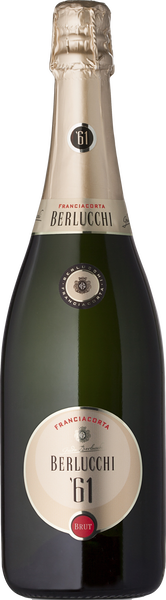
The Franciacorta territory in the Lombardia region of Italy is an excellent example. Located in the province of Brescia, this territory houses famous wine producers like Ca' del Bosco and Berlucchi (link to Berlucchi wines on the website). Franciacorta is known for producing sparkling wines, proclaimed one of the finest in Italy. Its unique soil, climate, and terroir influence the grape's development, granting it rich aromas and characteristics.
So, what about the Franciacorta territory makes it so ideal for winemaking? And what are the characteristics of a Franciacorta sparkling wine? Here we will take you deep diving into Franciacorta, introducing some of its best labels and grape characteristics.
The Franciacorta Terroir
The Franciacorta territory is located in the hills of the Brescia province, descending from the alps towards the shores of Lake Iseo. This topography is excellent for wine growing, as the steep hills can shade vineyards and protect them from excessive heat or even provide extra sun-light during colder days.
The soil and climate in this territory influence the quality of the grapes produced. Warm and sunny summer days are followed by cool nights, the ideal weather combination for grapes to properly ripe and maintain their acidity. The soil, which is stony and grave, also allows the vineyards to retain minerals and just the right amount of water.
With its broad flavour spectrum depending on the year's average climate, Chardonnay excels in the hills of Franciacorta. This terroir is ideal for growing certain types of grapes. Here, the grapes usually grow with the aromas of honey and stone fruit, resulting from a riper grape. Pinot Noir is also famous in this territory, used in its sparkling wine blends to add body and delicate aromas to the mix. Pinot Blanc, another variety that excels in the Franciacorta territory, adds balance and freshness to the mixture.
The Franciacorta Wine
Wine connoisseurs and appreciators still respect classic Italian sparkling wines like the country's famous Prosecco or the dessert wine Moscato D'Asti. However, these masterpieces are usually ideal for enjoyment and freshness, with light aromas and little complexity. On the other hand, Franciacorta wines are known for their intricacy and bold aromas. These wines are usually yeastier, drier, and more complex than the Prosecco.
Here, high-quality sparkling wines are made using the "traditional method," the same one used in the production of the French Champagne. The process uses secondary fermentation by adding yeast, wine and sugar to the mixture and letting it ferment inside the bottle, where the CO2 trapped inside increases the sparkle of the wine.
Franciacorta wines are usually made from a blend of Chardonnay and Pinot Noir, with an occasional addition of Pinot Blanc. Producers usually make vintage and non-vintage versions of the wine, as well as a rosé version, where there needs to be at least a 25% amount of Pinot Noir.
Types of Franciacorta Wine
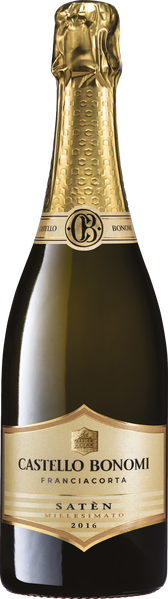
The Franciacorta Sparkling wines can be categorised by age or grape composition. The Franciacorta Satén used Chardonnay and Pinot Blanc, discarting the Pinot Noir. Franciacorta Rosé, on the other hand, needs a minimum of 35% Pinot Noir in its composition. Vintage Millesimato requires using single-harvest grapes, all from the same year, and 37-months of bottle ageing. The Franciacorta Riserva are the most acclaimed wine, with a 60-month bottle-ageing minimum and extremely complex aromas.
Aside from sparkling wines, the territory also produces still wines like Bordeaux-style reds and Burgundy-style whites.
Some Franciacorta Wines
Here in 8 Wines, we have a wide variety of bottles and labels from some of the best vineyards and vintages of Franciacorta. Find the Berlucchi 61 Franciacorta Brut and experiment with its aromatic freshness and acidic notes of green apple and lemon, as well as cream, yeast and cheese notes from bottle-ageing.