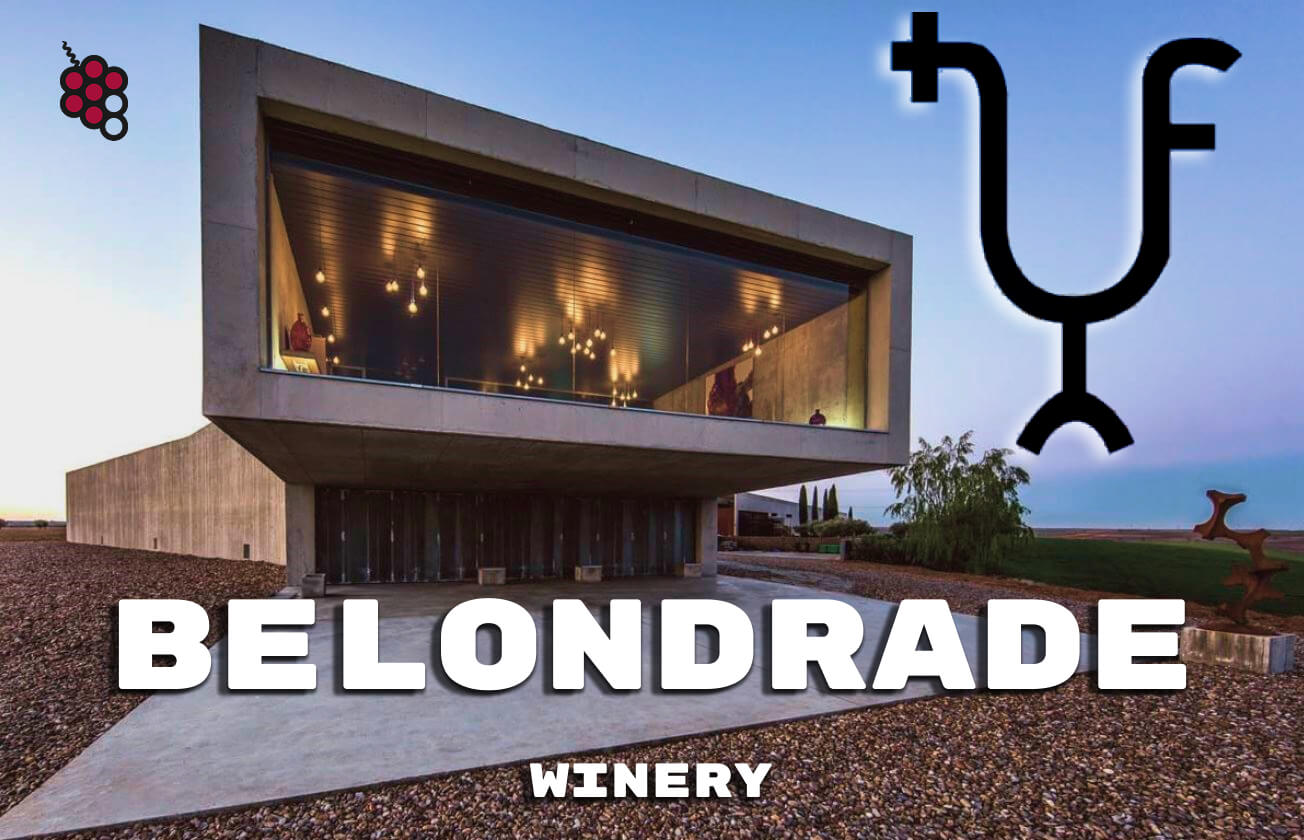
In the arid heart of Iberia, a Frenchman named Didier Belondrade has been creating a selection of stunning Verdejo. Belondrade, his winery, was founded in 1994, when Didier moved from his native Montauban to Rueda, a village just outside of Valladolid. He brings a sense of Burgundian precision to Spain’s heartlands - a broad region that is often overshadowed by the Iberian peninsula’s more famous wine-making locations, located in the fringes: Galicia, Rioja, and the Dao Valley in neighbouring Portugal.
In this article, we have some deep-cut recommendations from this underrated producer. Read on if you’re a fan of white wine, unheard-of Spanish regions, or grapes that have been underestimated for far too long. We’re exploring the region of Rueda, and Belondrade’s collection of expressive, cellar-worthy wines that are certain to defy your expectations for Spanish wine.
Rueda, it’s Terroir, and Belondrade

Rueda is a picture book image of Spain’s interior: a small village with quiet, red-roofed streets and church spires. Of course, it is surrounded by miles of fertile sun-browned earth, dotted with lush vineyards. It has long been known for its crisp but simple “table” white wines, but has always lacked the sense of prestige and elevation that comes with a “serious” wine-making region. Belondrade’s arrival in 1994 marked a turning point for the entire region.
Sitting at about 750 metres above sea level on the vast Castilian plateau, the vineyards rest on pebbly topsoils. The region has also been shaped by the Duero river, depositing deeper layers of clay and limestone under the topsoil. Rueda experiences a continental climate with big temperature swings - freezing winters and hot summers, which are mostly dry but never to the point of drought. This combination of soil and climate is perfect for balancing richness and freshness. This is particularly true for white grapes like Verdejo, which is native to the Castilian plateau. Didier also grows a small amount of Tempranillo on-site, which is mostly reserved for rosé wine.
Rueda whites have always been known for being affordable and simple table wines. Belondrade pushes these boundaries. The winery produces high-end, terroir-focused wines that command their drinker’s attention - and that of critics. Didier innovated in the region by bringing Burgundian methodology into his cellar. He employs techniques like fermentation in the oak barrels and ageing on the lees to native white grapes, driving towards age-worthy wines that enhance the region’s natural characteristics.
Today, Belondrade owns about 40 hectares of vineyards, split into approximately 22 plots, each with its own special soil composition. Didier has taken more of a backseat in recent years, and these are tended by vineyard manager Macario González Sánchez, and the Belondrade oenologist Félix Crespo Álvarez. The winery has also been fully organic since 2010, and uses native yeasts in all of its wines.
The Audition: Three Belondrade Wines to Try
Didier’s children have a strong presence at the winery. While Didier still works, his son Jean has become the public face of Belondrade. The winery’s vineyards are named ”Quinta San Diego”, honouring another of Dider’s sons. And our first recommendation, Quinta Apolonia, is named after Didier’s oldest daughter.